
What Happens in a Rolfing™ Session?
Here’s a streamlined version of what you can expect when you come in for a Rolfing™ session with Sue or myself.
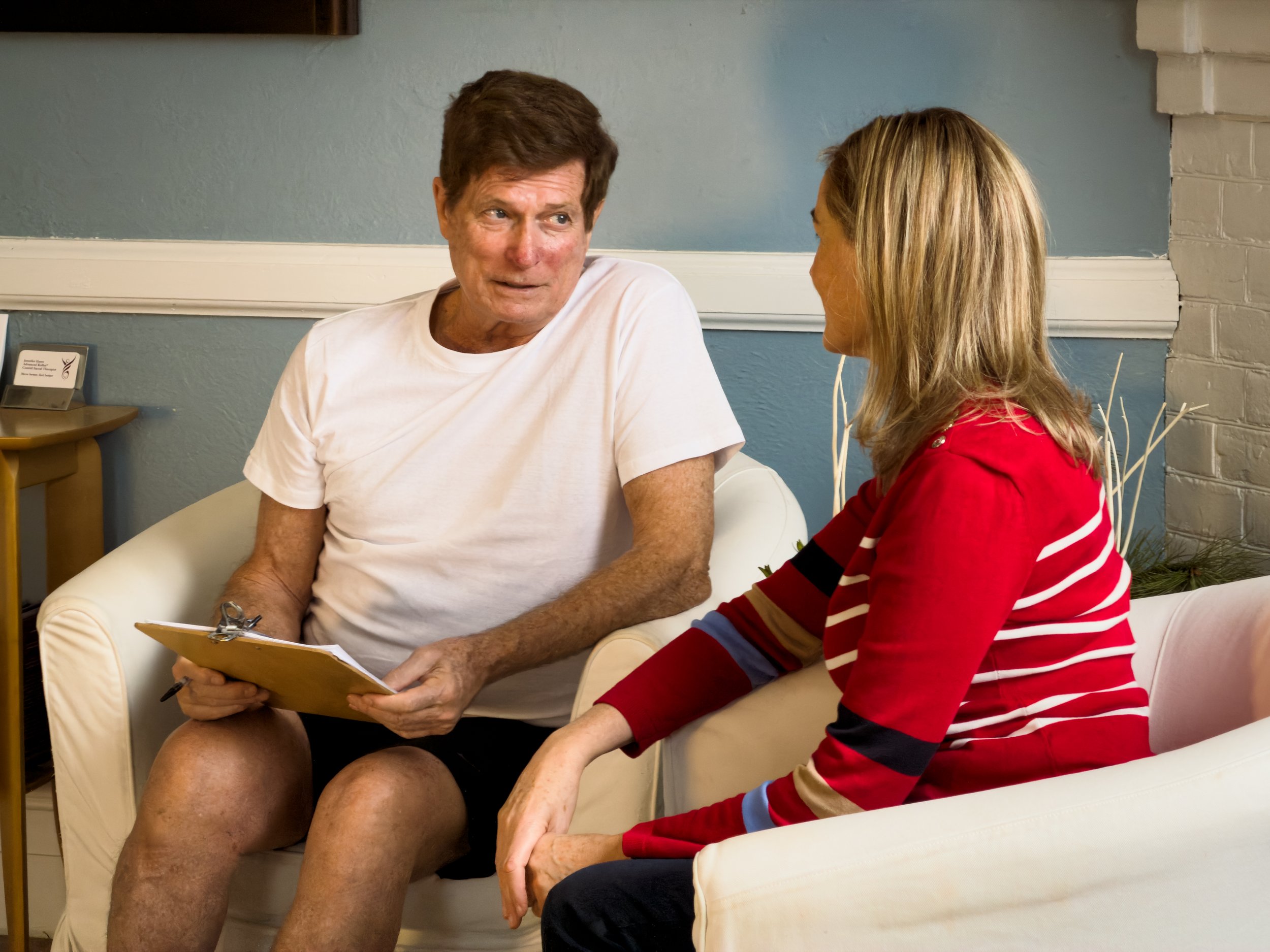
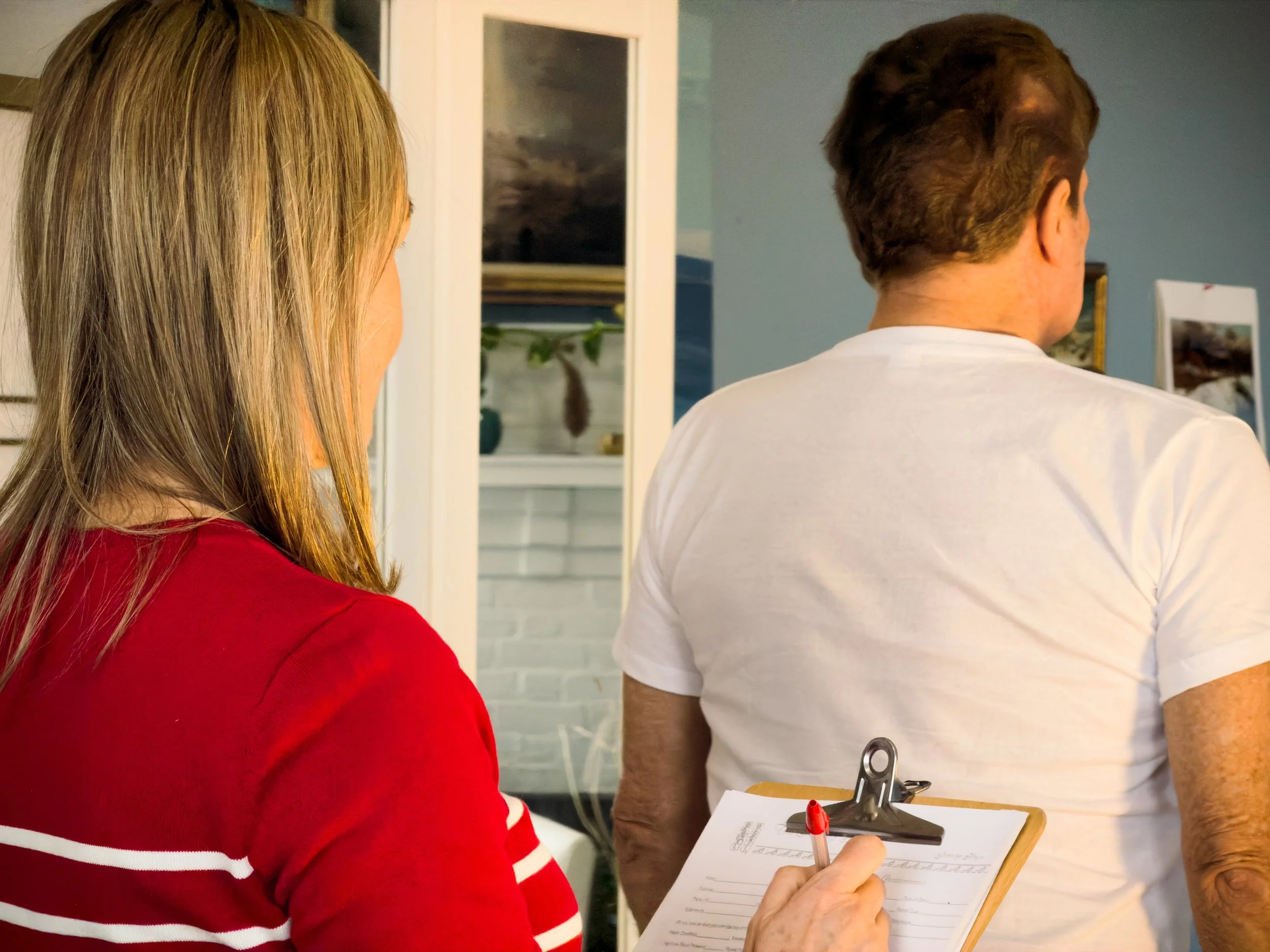
1. Initial Assessment & Gait / Movement Observation
When you arrive, we’ll talk briefly about your history, any patterns of tension or discomfort, and what your body is telling you. Then I (or Sue) will observe how you stand, walk, and move. This gives important insights about compensations, asymmetries, and how your structure is organizing itself in gravity.
2. On-Table Structural Work
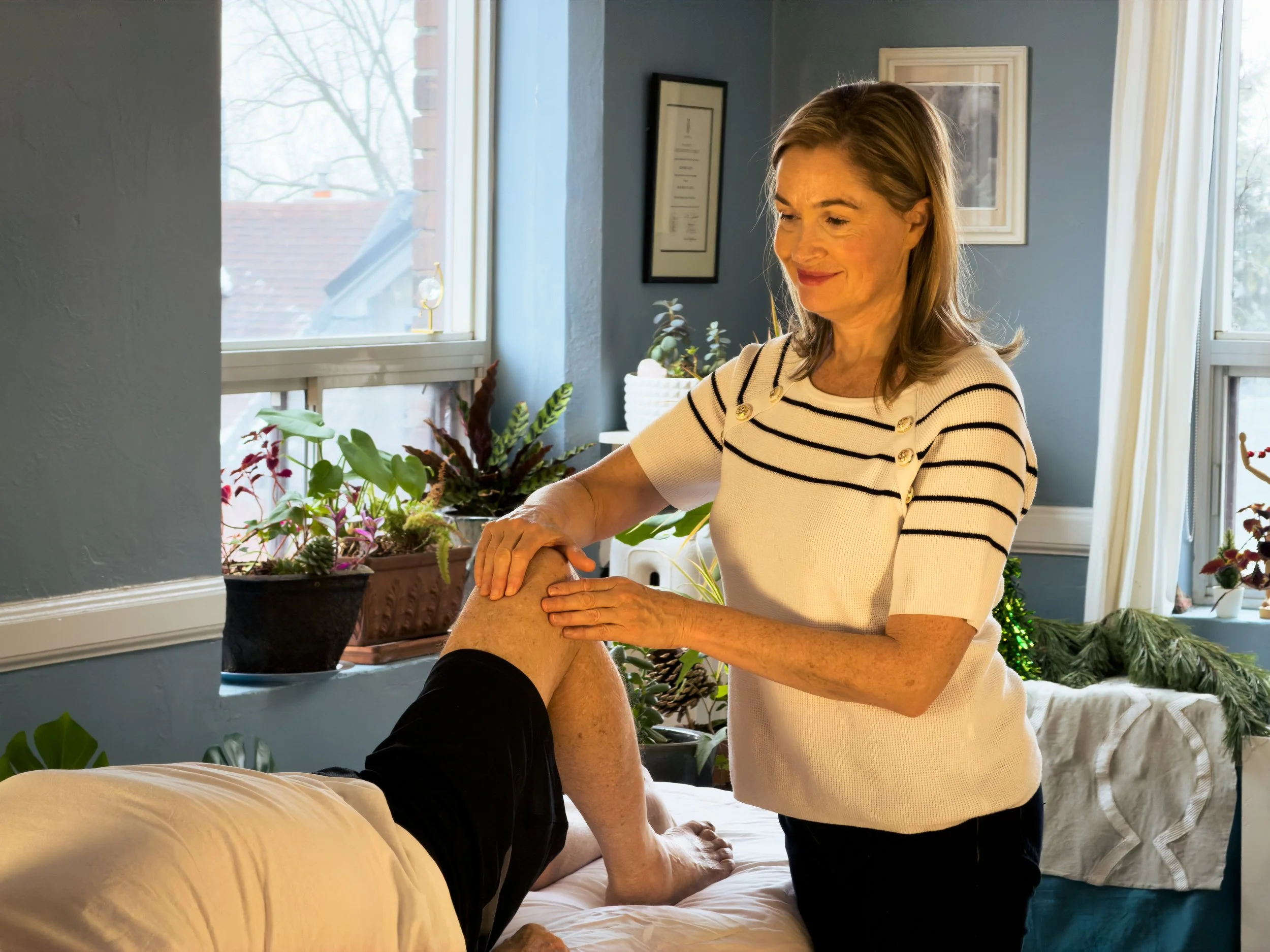
You’ll lie on the table, and using hands, forearms, elbows, and gentle pressure and stretches, I (or Sue) will work through layers of connective tissue (fascia). The goal is to “unstick” areas of restriction, release tension, and allow connective tissue to soften, reorganize and integrate. This can sometimes create sensations of “lengthening” or release.
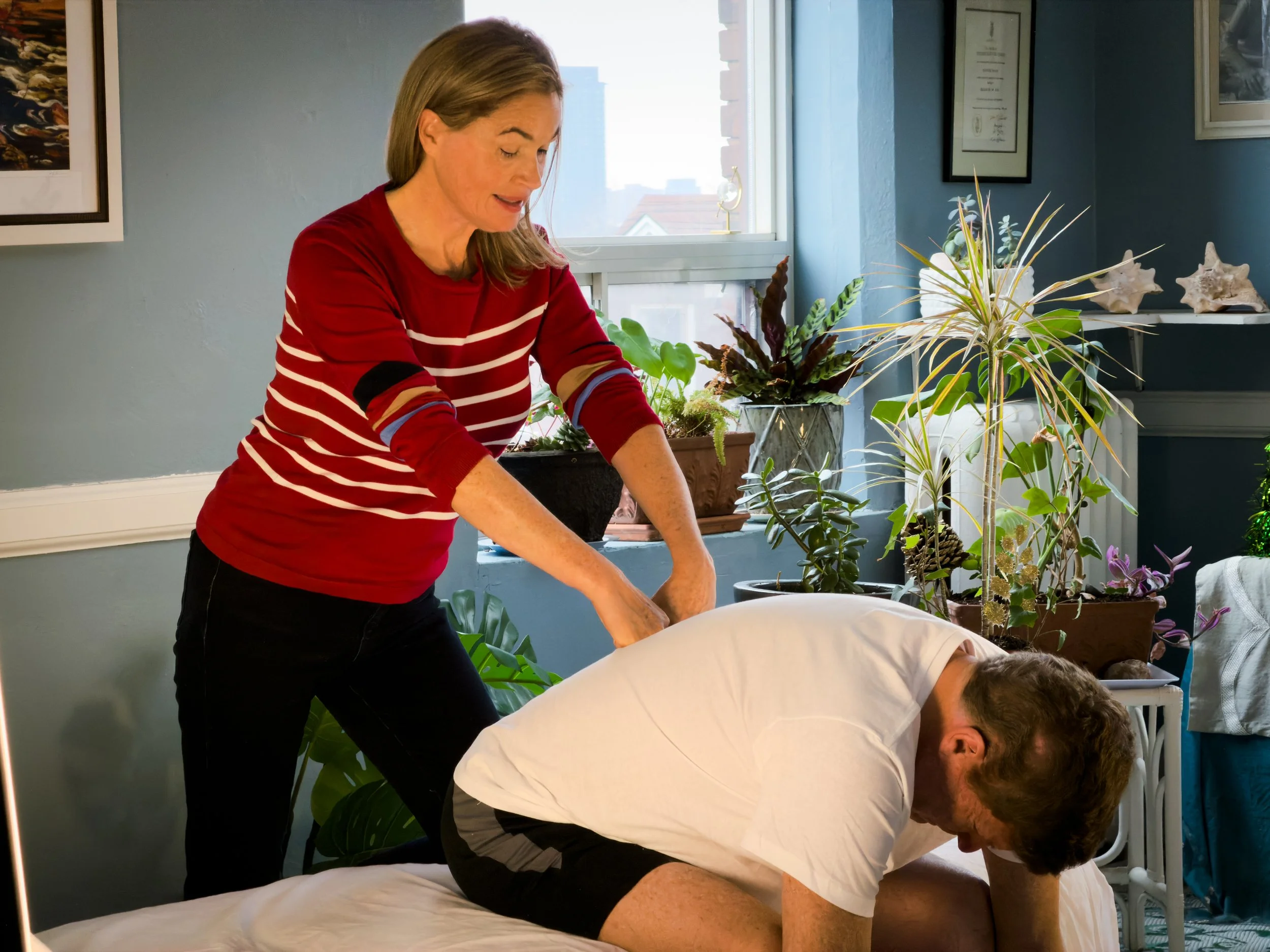
3.Movement & Integration
Throughout the session, you might be asked to move limbs, bend, twist, or stand, to help integrate the structural changes we’re making. Sometimes work is done while seated, standing, or walking — not just lying down — so that adjustments better “stick” in how you use your body in daily life.
4. Wrap-Up & Self-Awareness
Toward the end, we’ll check how your body feels: posture, alignment, ease of breathing, and range of motion. I may share observations and invite you to feel where change has occurred. Part of the work is helping you develop more body awareness — noticing where habitual holding or resistance remains, and cultivating new pathways of ease.
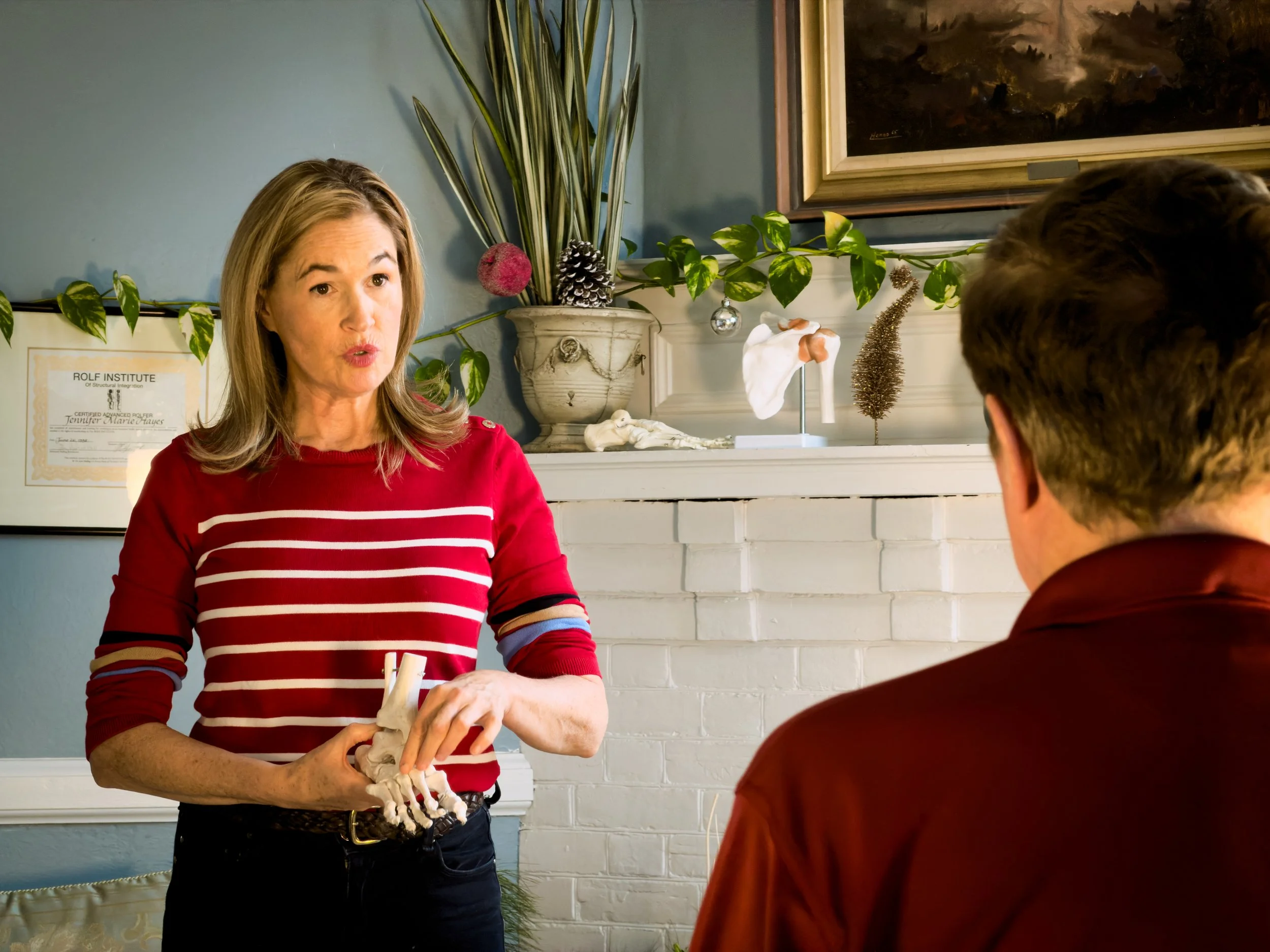
Because fascia is a continuous web that envelops muscles, bones, and organs, restrictions in one region can affect distant areas. Working in this way helps the body reorganize itself more efficiently for lasting improvements.
I may also offer guidance or simple movement suggestions (or “home-navigation tools”) to help you support the changes between sessions — small practices or conscious movement you can bring into daily life.
Because the fascial network is continuous, releasing restrictions in one area can influence other, distant areas — and supporting the body to reorganize itself can lead to more efficient movement, greater alignment, less pain, and improved well-being over time.
Rolfing is Usually a Series — The Big Picture
While a single session can offer insight and change, Rolfing is classically done as a structured series — the Rolfing Ten‑Series®. This series is designed to address the body methodically: first working superficially, then deeper, then integrating all changes into improved alignment and movement.
Sessions 1–3 — “Superficial” or “sleeve” work: loosening surface fascia, opening breath, beginning release in limbs, ribcage, spine.
Sessions 4–7 — “Core” work: deeper fascia, positional alignment of pelvis, spine, deep tissues, coordinating support from feet through pelvis up to head.
Sessions 8–10 — “Integration”: blending all previous work, refining alignment, coordination, balance, and helping the body express the structure naturally under gravity.
Many clients notice gradual improvements — in posture, gait, ease of movement, pain reduction, breathing, awareness, and overall sense of balance — as the work unfolds over the series.
What You Might Notice — Immediately or Over Time
Increased range of motion, flexibility, and ease of movement.
Reduced pain or discomfort in areas of chronic tension, compensation, or postural stress.
Improved posture, gait, and structural alignment — often as your body reorganizes to move more efficiently in gravity.
Enhanced body awareness and ability to sense habitual tension or holding, allowing you to choose more easeful movement patterns.
Better breathing, possibly deeper and more relaxed — because opening the ribcage, diaphragm, and fascia can facilitate freer breath.
A sense of lightness, increased energy, and improved coordination — sometimes clients describe feeling more “grounded,” balanced, or “in their body.”
Why This Matters — The Philosophy Behind the Work
Unlike treatments that only address symptoms (for example muscle tension or pain in a single region), Rolfing takes a holistic view. Because our fascial system is a continuous network, restrictions in one area can send ripple effects across the whole body. By releasing these restrictions, and realigning structural relationships — from feet, through legs, pelvis, spine, ribcage to head — the body can reorganize itself in a balanced, efficient way, supported by gravity.
Furthermore, by combining manual fascial work with movement integration and body awareness, the work supports both the structural and functional aspects of posture and movement; it’s not just about “fixing fascia,” but about helping you inhabit your body differently — with more ease, freedom, and resilience.
Invitation from Us
Whether you’re brand new to Rolfing or returning to continue your work, this winter is a wonderful opportunity to gift yourself a session (with Sue or me) — to reconnect with your body, rediscover ease of movement, restore balance, and support yourself as you move through life with greater comfort and alignment.
Reach out by email and we will find a time that works for you!
Warmly,
Jennifer Hayes
Certified Advanced Rolfer® & Rolf Movement® Practitioner
Founder, Rolfing Studio Toronto (since 1992)
Sue Trask, Certified Rolfer, Cranial Sacral therapist.